Reshaping the Future Of Healthcare.


About Us
MedAi Solutions emerges from the partnership between Reactiv8 AI, a pioneer in intelligent automation solutions, and E Harley Street Group, which operates 54 GP primary care surgeries across the UK. This collaboration merges advanced AI technology with extensive healthcare expertise to revolutionize medical services.
Reactiv8 AI specializes in AI-driven solutions that optimize business operations across multiple sectors, delivering realtime insights and enhanced productivity. E Harley Street Group contributes deep healthcare knowledge and operational excellence, ensuring MedAi’s solutions address real clinical needs effectively.
MedAi Solutions delivers GDPR | HIPPA-compliant AI technologies that transform healthcare delivery, from voice-assisted patient communication to AI-powered procurement and clinical audits. This partnership creates a powerful synergy that advances both technological innovation and healthcare excellence, enabling medical practices to optimize their operations and patient care.
Explore our AI Solutions for Healthcare
Explore our AI solutions within these medical & healthcare sectors. Click on the images to view some popular AI solutions
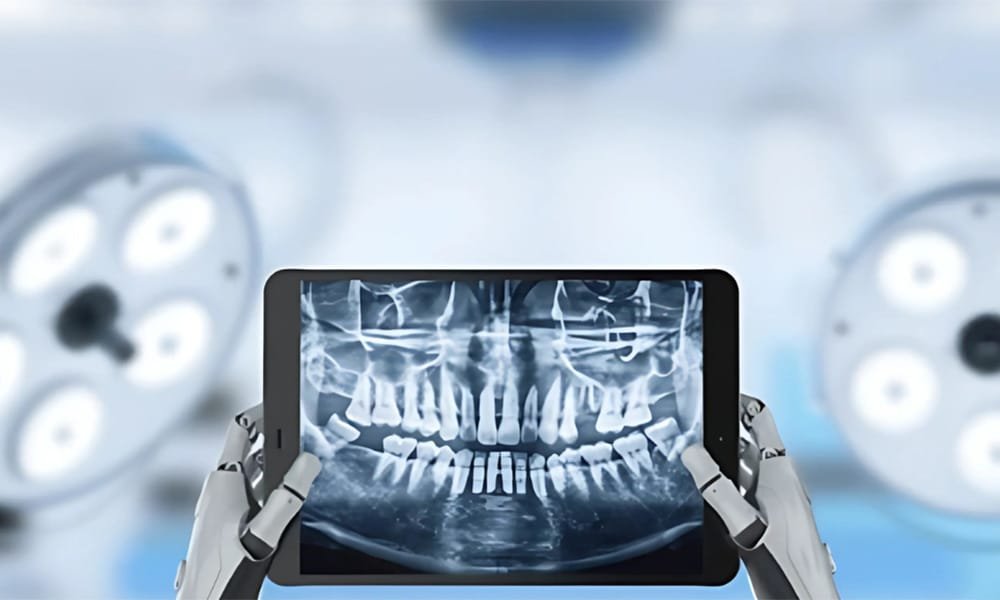
Diagnostic Imaging
An imaging centre utilizes AI-powered software that scans mammograms and MRI images to detect abnormalities faster than human radiologists, achieving an earlier diagnosis rate 25% more effective than manual readings.
AI tools in a diagnostic lab automatically generate detailed, yet concise, radiology reports. This helps radiologists save time and maintain consistency in reporting, which has improved the workflow by 50%.
A private cardiology imaging centre uses AI to analyse echocardiograms and detect heart irregularities earlier, providing faster intervention options and reducing the risk of complications.
Private Hospitals
A leading private hospital chain in London uses AI to enhance diagnostic accuracy. By implementing AI-driven imaging software, radiologists now identify potential cancerous growths with improved speed and accuracy. This technology has led to a 20% reduction in diagnostic errors and faster treatment initiation.
A private orthopaedic clinic employs AI algorithms to create 3D surgical simulations for complex joint replacement procedures. This has resulted in better outcomes and reduced recovery time for patients by 15%.
A large private clinic integrated AI
to optimize patient scheduling and reduce wait times. The AI
system analyses past appointment data to predict optimal
scheduling, cutting patient wait times by 30%.


Private GP
For a private GP practice, here are three highly relevant AI use cases:
Purpose: To manage and streamline incoming patient calls, book appointments, handle routine inquiries, and conduct preliminary triage.
Benefits:
- Reduces the workload on reception staff by answering calls promptly and efficiently.
- Can handle peak call times, ensuring no calls are missed and reducing waiting times.
- Provides empathetic and context-aware responses, recognizing patient emotions and needs.
- Integrates with the practice’s existing systems (e.g., EMIS or TPP SystmOne) for real-time appointment booking and patient record updates.
Impact: Enhances patient experience, reduces staff burnout, and frees up administrative staff to focus on more complex tasks.
Purpose: To assist patients in providing detailed symptom descriptions and pre-consultation information that helps clinicians prepare.
Benefits:
- Collects and analyzes patient input using an intuitive interface that guides them through questions.
- Generates a comprehensive summary report for the clinician, highlighting key symptoms, potential conditions, and recommended diagnostic steps or treatments.
- Saves significant time during consultations by streamlining patient history-taking and initial assessment.
Impact: Enhances clinical efficiency, reduces appointment times, and improves diagnostic accuracy and patient outcomes.
Purpose: To optimize back-office operations such as procurement, inventory management, and administrative workflow automation.
Benefits:
- Automates routine tasks such as checking supplier prices and ordering medical supplies at the best rates.
- Monitors stock levels and anticipates reorder needs, ensuring essential medical and administrative supplies are always available.
- Reduces operational costs by finding cost-effective options and minimizing staff time spent on repetitive tasks.
Impact: Cuts costs, increases operational efficiency, and allows staff to allocate more time to patient-centric activities.
These use cases help streamline operations, improve patient care, and reduce the administrative burden on practice staff.
Dental Surgeries
A leading dental practice uses AI to create precise 3D models for orthodontic planning. The AI software helps dentists design optimal braces and aligners, cutting treatment planning time by 40%.
Dental clinics utilize AI imaging to spot cavities and other dental issues at early stages. This has increased diagnostic accuracy by 30% compared to traditional methods.
A large dental network employs AI to monitor dental equipment, editing potential failures before they happen, reducing downtime and maintaining continuous patient care.
revolutionizes reception and customer service by managing calls, scheduling appointments, and following up to minimize no-shows. It also handles record filing and marketing outreach, freeing up 30% of staff time to focus on assisting patients and supporting dentists more effectively


Private Pharmacies
3 key use cases for AI in pharmacies:
- Automated prescription verification and error detection
- Drug interaction checking and alerts
- Patient-specific contraindication screening
- Handwriting recognition for paper prescriptions
- Dosage optimization recommendations
- Side effect risk assessment
- Medication therapy management
- Duplicate therapy detection
- Allergy cross-reference checking
- Automated insurance claim verification
- Predictive inventory management
- Seasonal demand forecasting
- Expiry date tracking and management
- Automated reordering systems
- Stock level optimization
- Cold chain monitoring
- Supplier performance analysis
- Price optimization
- Waste reduction through smart ordering
- Alternative medication suggestions when items are out of stock
- Medication adherence monitoring and support
- Automated refill reminders
- Side effect monitoring and reporting
- Patient education content customization
- Health condition tracking
- Vaccination scheduling and reminders
- Drug cost optimization for patients
- Personalized health alerts
- OTC product recommendations
- Integration with patient health apps
Mental Health
Mental Health sector popular AI solutions
- Analyzes patterns in patient communication, behavior, and vital signs
- Identifies early warning signs of mental health crises
- Monitors social media and digital interactions for suicide risk indicators
- Flags concerning changes in sleep, activity, or communication patterns
- Provides real-time alerts to care teams for high-risk situations
- Helps predict potential relapses in conditions like depression or addiction
- Identifies seasonal patterns in mood disorders
- Provides 24/7 AI chatbot support for basic emotional support
- Offers guided meditation and mindfulness exercises
- Tracks therapy progress and treatment effectiveness
- Analyzes therapy session transcripts to identify key themes
- Monitors medication adherence and side effects
- Suggests coping strategies based on individual patterns
- Provides mood tracking and emotional pattern recognition
- Assists in homework assignments between therapy sessions
- Helps match patients with the most suitable therapists
- Suggests evidence-based treatment approaches based on patient profiles
- Analyzes therapy outcomes to improve treatment strategies
- Assists in documentation and note-taking during sessions
- Identifies patterns in successful treatment approaches
- Helps optimize appointment scheduling and patient engagement
- Provides personalized treatment plan recommendations
- Monitors treatment progress against expected outcomes


Rehabilitation Clinics
3 practical AI use cases specifically for rehabilitation clinics:
- Uses computer vision to analyse patient movement patterns and form during exercises
- Measures range of motion improvements over time with precise metrics
- Tracks adherence to prescribed exercises and movement quality
- Provides real-time feedback on exercise form to prevent injury
- Generates progress reports with objective measurements for insurance documentation
- Analyzes patient data (age, condition, comorbidities, progress rate) to recommend optimal treatment protocols
- Predicts likely recovery timeframes based on similar patient outcomes
- Suggests modifications to exercise programs based on patient progress
- Identifies patients at risk of plateauing or regression
- Recommends timing for progression to more advanced exercises
- Creates customized video exercise programs for patients to follow at home
- Monitors patient compliance through mobile app check-ins
- Uses smartphone sensors to track movement quality during home exercises
- Provides AI coaching and form correction for home exercises
- Alerts therapists when patients struggle with exercises or show declining engagement
Aesthetic Clinics
3 key use cases for AI in aesthetics clinics:
- AI facial analysis for personalized treatment recommendations
- 3D modelling to show predicted treatment outcomes
- Aging simulation to demonstrate preventive treatments
- Skin condition analysis and tracking
- Custom treatment plan generation
- Before/after image comparison and analysis
- Real-time treatment simulation during consultations
- Personalized skincare regimen recommendations based on analysis
- Automated appointment scheduling based on treatment cycles
- Treatment progress tracking through photo documentation
- Smart reminders for maintenance treatments
- Personalized aftercare instructions
- Treatment satisfaction monitoring
- Recovery progress tracking
- Product usage and effectiveness monitoring
- Loyalty program optimization based on treatment patterns
- Inventory management for products and supplies
- Treatment outcome analysis and success rates
- Patient retention prediction
- Product and treatment recommendation engine
- Staff scheduling optimization
- Popular treatment trend analysis
- Pricing optimization based on demand
- Customer feedback analysis and sentiment tracking


Sports Clinics
3 key use cases for AI in sports injury clinics:
- Movement analysis using computer vision during assessments
- Gait analysis for identifying biomechanical issues
- 3D modelling of injury sites and movement patterns
- Progress tracking through comparative motion analysis
- Range of motion measurements and tracking
- Force plate data analysis for weight-bearing assessment
- Recovery milestone tracking and prediction
- Real-time feedback during rehabilitation exercises
- Injury risk prediction based on movement patterns
- AI-driven exercise prescription based on injury type
- Load management recommendations
- Recovery timeline prediction based on injury patterns
- Adaptation of programs based on progress data
- Sport-specific return-to-play protocols
- Exercise progression algorithms
- Integration of wearable device data
- Dynamic adjustment of rehab plans based on progress
- Performance target setting based on historical data
- Training load optimization
- Fatigue monitoring and recovery tracking
- Movement pattern analysis for injury prevention
- Biomechanical efficiency assessment
- Performance trend analysis
- Early warning system for potential injuries
- Sport-specific movement screening
- Integration with athlete monitoring systems
- Real-time feedback during training sessions
Tele Health
Here are 3 key use cases for AI in telehealth:
- Real-time speech-to-text for automatic consultation documentation
- Symptoms analysis during video calls to support diagnosis
- Vital sign monitoring through video analysis (heart rate, respiratory rate)
- Language translation for multi-language consultations
- Background noise reduction and audio enhancement
- Automated follow-up scheduling based on consultation outcomes
- Smart questionnaire generation before appointments
- Quality assessment of video/audio for optimal consultation experience
- Continuous monitoring of patient-reported symptoms
- AI-powered chatbots for initial symptom assessment
- Priority scheduling based on symptom severity
- Remote vital sign monitoring through connected devices
- Early warning system for deteriorating conditions
- Medication adherence tracking and reminders
- Automated check-ins between appointments
- Smart escalation protocols for concerning symptoms
- Intelligent scheduling based on consultation type and clinician expertise
- Automated pre-consultation documentation preparation
- Real-time clinical decision support during virtual consultations
- Integration of patient data from multiple sources
- Predictive analytics for patient no-shows
- Smart routing of patients to appropriate specialists
- Digital prescription management and monitoring
- Post-consultation follow-up automation


Walk-in Clinics
3 practical use cases for AI in walk-in clinics:
- AI analyses symptoms, vital signs, and patient history to prioritize cases
- Predicts peak busy periods and optimizes staffing schedules
- Estimates wait times accurately and sends updates to waiting patients
- Flags potentially urgent cases that need immediate attention
- Automatically transcribes doctor-patient conversations in real-time
- Pre-fills medical documentation based on the conversation
- Identifies missing or inconsistent information in patient records
- Helps with insurance coding and billing accuracy
- Reduces administrative burden on medical staff
- Analyses symptoms, lab results, and patient history to suggest potential diagnoses
- Flags drug interactions or allergies
- Recommends relevant tests based on symptoms and patient history
- Provides evidence-based treatment guidelines
- Identifies patterns that might indicate emerging health issues
What Our Clients Say

AI Medical Blog
Read our latest AI tech Blog